Is Egypt safe for American travelers?
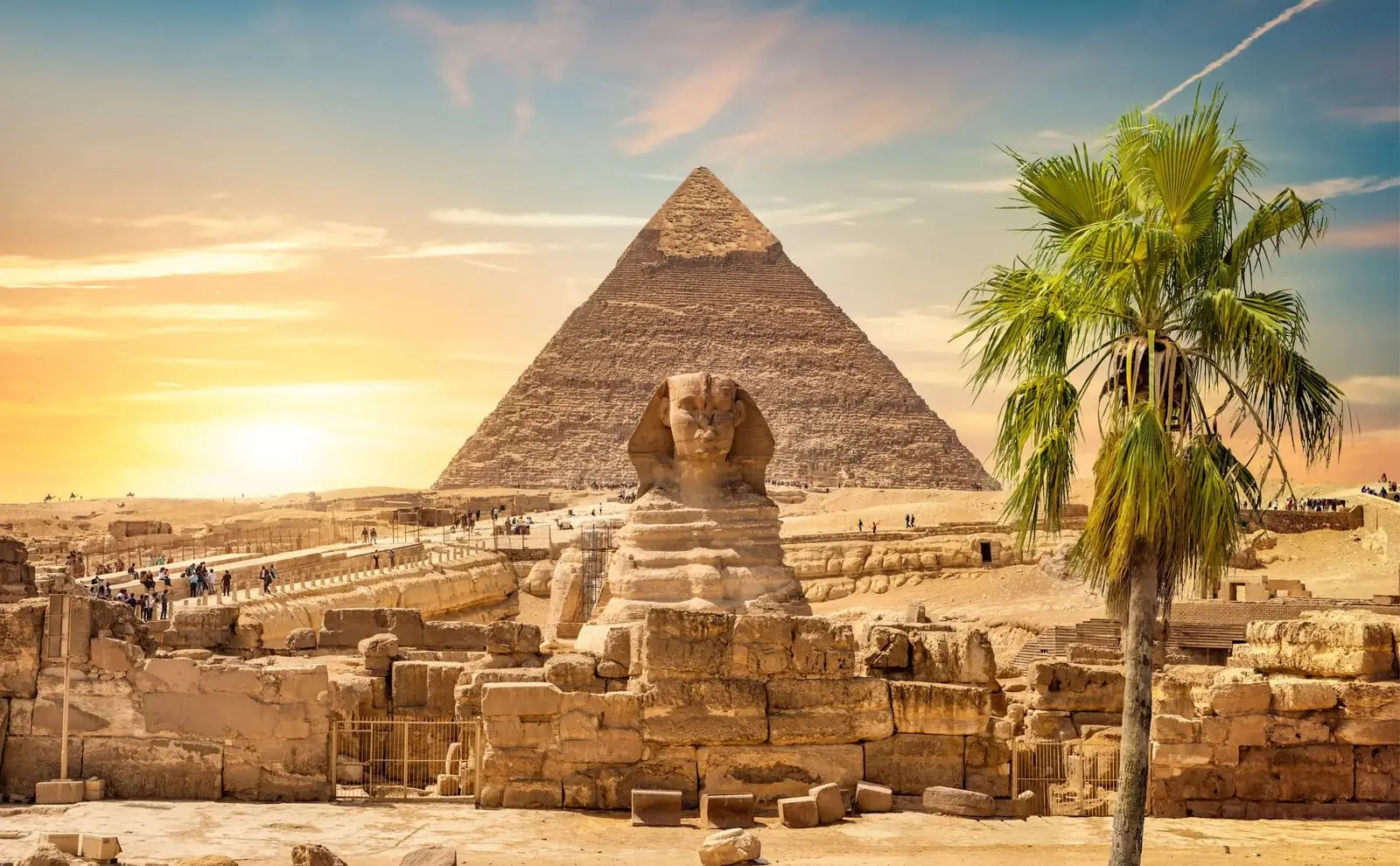
It is one of the first questions Americans ask us, and it deserves a straight answer rather than reassurance. The places most visitors go, Cairo and the pyramids, Luxor, Aswan, the Nile and the Red Sea, see millions of international travelers a year, and the US State Department rates Egypt at Level 2, the same level it gives France, Germany, Italy and Spain. That does not mean nothing can go wrong, and we will not pretend it does. Here is what the advisory says, what you are actually likely to run into, and what helps.
What the US State Department says
The State Department rates every country on four levels, from Level 1, “Exercise Normal Precautions,” to Level 4, “Do Not Travel.” As of November 2026, it rates Egypt Level 2, “Exercise Increased Caution,” the same level it gives many popular destinations, including France, Germany, Italy and Spain.
A few remote areas carry its highest level, “Do Not Travel”: the northern and middle Sinai Peninsula, the Western Desert (unless you travel with a licensed tour company) and Egypt's border areas. None of them is on a usual first trip.
Two things we suggest to every American traveler:
- Read the advisory yourself. The State Department's advisory for Egypt explains its reasons and is updated when things change. Read it before you book, and again in the week before you fly.
- Enroll in STEP. The State Department's free Smart Traveler Enrollment Program lets the US Embassy in Cairo send you alerts and reach you in an emergency.
Where visitors actually go
Our journeys stay in the main visitor areas: Cairo and Giza, Alexandria, Luxor, Aswan, Abu Simbel, the Nile between Luxor and Aswan, and the Red Sea resorts of Hurghada and Sharm el-Sheikh. They see millions of international visitors a year and have a strong, visible security presence. You will notice it, for example in bag screening at hotel and museum entrances and checkpoints on the roads between cities. It can feel unfamiliar at first; here it is routine.
Sharm el-Sheikh is a Red Sea resort at the southern tip of the Sinai Peninsula, and our Cairo & Sharm el-Sheikh journey flies there and back from Cairo. For anywhere else in Sinai, read the advisory's wording closely and ask us before you plan it.
We will give you a straight answer about anywhere you are considering, including when the answer is no.
The everyday things to watch for
The things you are most likely to run into are nuisances rather than dangers: persistent touts, noise and traffic. Knowing what to expect takes most of the stress out of them.
Touts and small scams
At the pyramids and in busy markets, people will offer camel and horse rides, “free” gifts, photos and directions, and some will expect money afterward. Agree any price before a ride starts, including the ride back. Be wary of anyone who tells you a site is closed and offers to take you somewhere else instead. A firm, friendly “la, shukran” (no, thank you) and walking on is normal here, not rude. Traveling with your own guide, you will find much of this is handled for you.
Getting around on your own
If you go out on your own in Cairo, ride-hailing apps such as Uber and Careem are simpler than street taxis because the fare is set before you get in. We would steer most visitors away from renting a car: Cairo traffic is intense, and crossing a busy road on foot takes practice. Cross with a group of locals, or with your guide.
Money and valuables
Keep valuables out of sight in crowded places, as you would in any very large city, and leave your passport and spare cash in the hotel safe. Carry small notes for tips: tipping is part of daily life here, and our history and culture guide explains how it works. Tipping is not included in our prices, and we tell you in writing what is normal for each part of your trip before you travel.
Demonstrations
Avoid demonstrations and large political gatherings, and follow the instructions of local authorities. This is the US Embassy's advice to Americans in Egypt.
Health: water, food and heat
Water. Do not drink the tap water. Drink bottled water, which is in your vehicle on every trip with us, and skip ice outside hotels and established restaurants. Salad washed in tap water is the classic cause of an upset stomach in the first few days. Our eating and drinking guide has the rest of the precautions, which are simple.
Heat and sun. From May to September, Luxor and Aswan are regularly above 105°F (40°C), and even in winter the sun at Giza and on Luxor's West Bank is strong. Wear a hat and sunscreen, drink more water than you think you need, and see the outdoor sites early in the day. Our best time to visit guide explains the seasons month by month.
Insurance. Travel insurance is not included in our prices. Check that your health insurance covers you outside the US, including medical evacuation; Medicare generally does not cover care abroad.
Dress, photos and local customs
- Dress. Egypt is relaxed in the Red Sea resorts and conservative elsewhere. Covering shoulders and knees in the cities, at religious sites and in villages is a courtesy that changes how you are treated. Women need a headscarf inside mosques. Beachwear belongs on the beach.
- Women travelers. Women, especially without a male companion, can attract unwanted comments and attention in busy streets and markets. Modest dress, a confident “no” and walking on, and traveling with a guide all reduce it.
- Photography. Ask before photographing people. Do not photograph military sites, bridges, police or airports; this is taken seriously.
- Drones. Bringing a drone into Egypt is prohibited. Leave it at home.
How a private trip with a licensed company helps
A private trip does not turn Egypt into a different country, and no company can promise that nothing will go wrong. What it changes is how much you have to handle on your own.
- A licensed company. Maniton Tours is licensed by Egypt's Ministry of Tourism (license no. 1034), has been in business since 1998 and is IATA accredited. Our credentials page has the details.
- Met before passport control. Our representative meets you inside the terminal on arrival and at each domestic flight, so you never work out a strange airport on your own. Our visa and meet and greet page explains how it works.
- Your own guide and vehicle. A licensed Egyptologist and a private, air-conditioned vehicle with a driver. The guides and drivers are local and know these routes well, so there are no taxis to hail and no prices to argue over at the gate.
- Someone to call, day and night. Once you are traveling, you have a 24/7 emergency line, answered by our Cairo team at any hour, weekends included.
- Straight answers before you book. If we think a place or a plan is not a good idea on your dates, we say so, and we will tell you if anything in the advisory affects your route.
See what every private tour includes, our sample itineraries, or how we plan family trips.
Sources
Advisories change. These are the official sources for this page, checked in November 2026.
- US Department of State, Egypt Travel Advisory.
- US Department of State, Smart Traveler Enrollment Program (STEP).
- US Embassy Cairo, Security Alert: Egypt, 4 March 2026 (published by the State Department's Overseas Security Advisory Council): the Level 2 advisory, the Do Not Travel areas, STEP and advice on demonstrations.
Questions about safety in Egypt
Is it safe to travel to Egypt right now?
As of November 2026, the US State Department rates Egypt Level 2, “Exercise Increased Caution,” the same level as France, Germany, Italy and Spain. Its “Do Not Travel” areas are the northern and middle Sinai Peninsula, the Western Desert (unless you travel with a licensed tour company) and the border areas, none of which is on a usual first trip. Read the current advisory on travel.state.gov before you book.
Is Cairo safe for tourists?
Cairo is a city of some twenty million people, and it feels like one: crowded, loud and busy. Its main sights, from the pyramids and the museums to Khan el-Khalili, are among the most visited places in the country. Take the precautions you would in any very large city, keep an eye on your belongings in crowds, and take care crossing the road.
Can you drink the tap water in Egypt?
No. Drink bottled water, and skip ice outside hotels and established restaurants. On our trips, bottled water is in your vehicle every day.
Is Egypt safe for women travelers?
Women visit Egypt alone, together and with families. They can attract unwanted comments and attention in busy streets and markets, especially without a male companion. Dressing modestly, a confident “no” and walking on, and traveling with a guide all reduce it.
What happens if something goes wrong during our trip?
Once you are traveling with us, you have a 24/7 emergency line, answered day and night by our Cairo team, weekends included. The number is in your travel documents, and it is answered by someone who knows your itinerary.
Ask us about your route
Tell us where you want to go and who is traveling. We will tell you honestly what we think, and send a day-by-day plan and price within 24 hours (Sun–Thu).
Plan My Trip